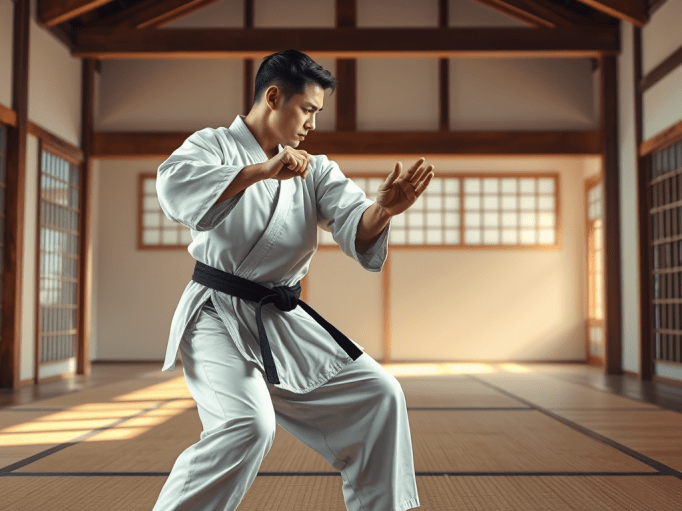
Bunkai and oyo — the living, breathing applications behind kata — have long been the secret treasure chest of karate.
They promise to reveal how the beautiful, flowing movements of kata can become practical techniques when an opponent strikes. Yet, in today’s karate landscape, these practices often fall short of their true potential. In fact, I see a growing problem: modern bunkai and oyo frequently drift away from reality, creating confusion rather than clarity.
What Is Bunkai and Oyo — And Why Does It Matter?
Put simply, bunkai is the process of carefully analyzing kata to break down what each movement means — the hidden strikes, locks, or throws it contains. Oyo, on the other hand, is applying those ideas in practice, adapting and adjusting them to fit unpredictable, real-life situations. Many people use these terms interchangeably because they naturally flow together: you can’t truly apply (oyo) what you haven’t first understood (bunkai). But they aren’t the same — bunkai is the analysis, oyo is the application. Good training respects both.
When done right, bunkai and oyo turn kata from mere patterns into a toolkit for real combat. They help practitioners move beyond rote memorization and into understanding body mechanics, timing, and strategy.
But the quality of bunkai and oyo varies wildly, and too often it misses the mark.
The Core Issue: Practicality Over Performance
One common complaint I hear from karateka on forums and in conversation is that bunkai and oyo sessions can feel disconnected from actual fighting. It’s not uncommon to see applications that:
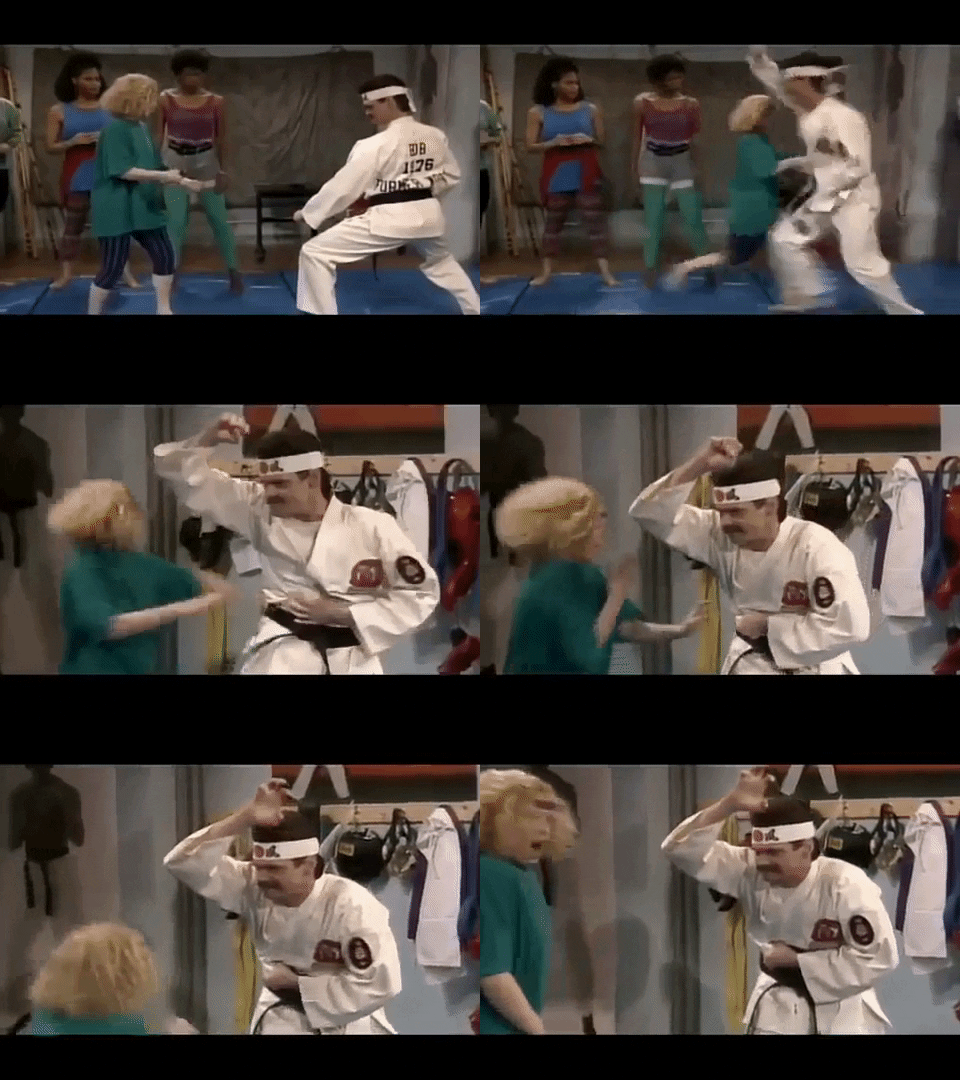
- Are overly theatrical: Slow-motion techniques that look impressive but wouldn’t stand up in a real fight.
- Ignore resistance: Partners cooperating too much or attacks that don’t realistically simulate aggression.
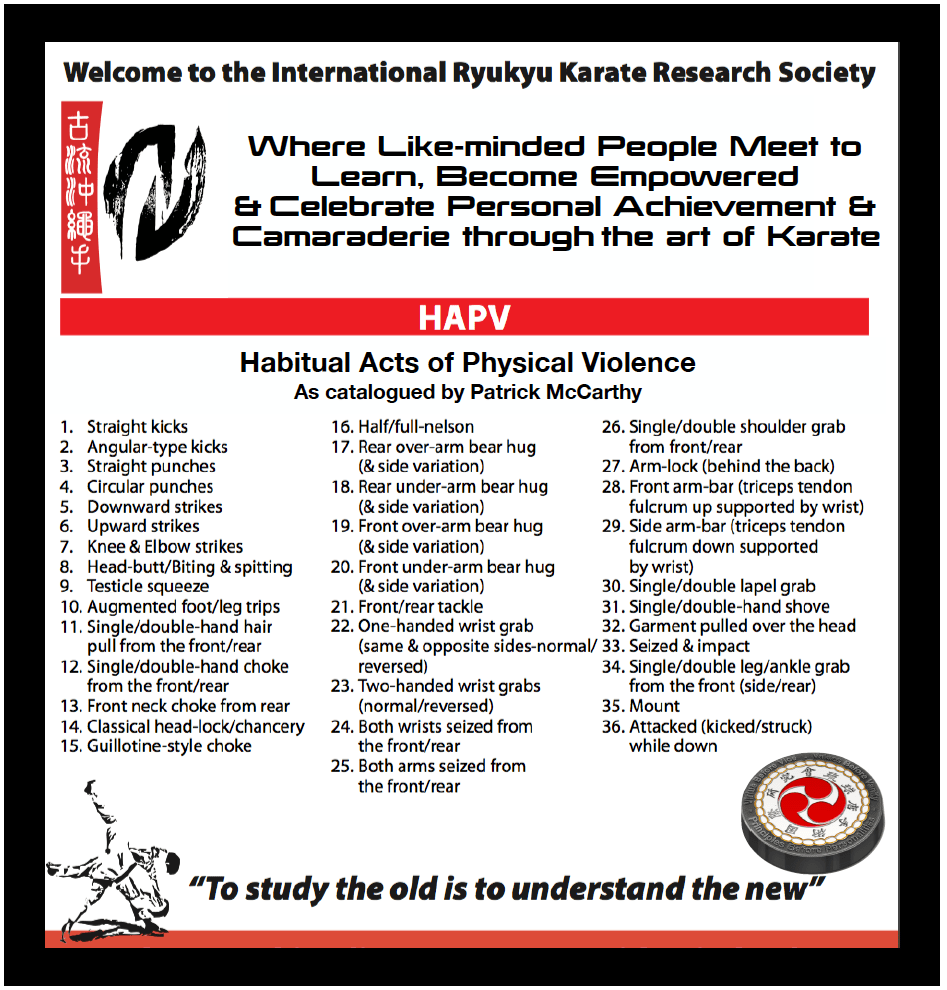
- Over-focus on striking: Punches and kicks dominate, leaving out vital elements like joint manipulation or grappling.
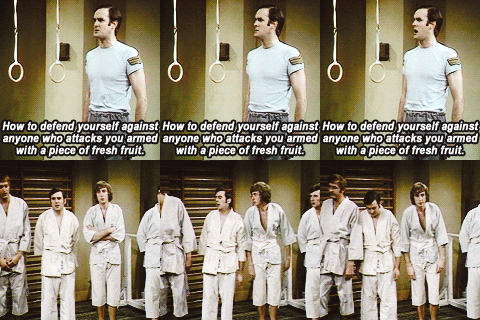
This mismatch between kata interpretation and practical self-defence is frustrating. I call this “bullshit bunkai” — applications that look good on the mat but fail under pressure. Worse, it can condition students to rely on techniques that don’t work, wasting years of training and potentially putting them at risk.
The Elephant in the Dojo: “Cross-Training” Without Foundation
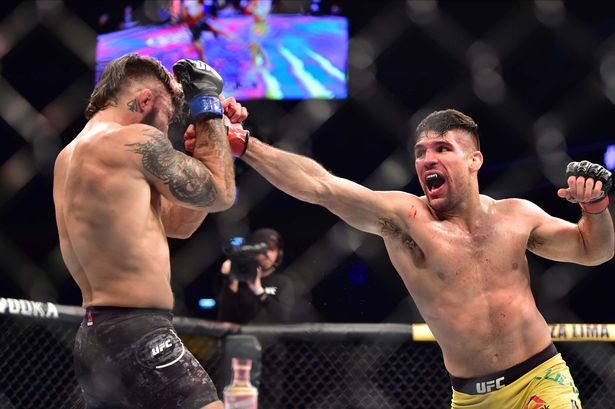
In an era of mixed martial arts (MMA) and cross-training, it’s tempting to enhance bunkai and oyo by borrowing from judo, Brazilian Jiu-Jitsu (BJJ), or Muay Thai. After all, these arts offer proven techniques for grappling, joint locks, and striking.
But here’s where many practitioners go wrong. I see a lot of karatekas trying to integrate these elements without genuine experience or training in those arts. The result? Techniques that are:
- Performed incorrectly: Missing key details in grip, positioning, or timing.
- Mechanically unsound: Movements that defy the principles of the borrowed art.
- Potentially unsafe: Risking injury to themselves or training partners.
It’s like trying to play Beethoven’s symphonies without ever learning to read music or play an instrument. The intentions might be good, but the execution is lacking — sometimes disastrously so.
This misguided integration can create a false sense of skill, where a practitioner believes they have a diverse arsenal but actually carries a set of ineffective moves with awkward execution. It undermines the integrity of both karate and the arts they try to borrow from.
So, What Should You Do? Grounding Bunkai and Oyo in Reality
I encourage karate practitioners to approach bunkai and oyo with a grounded, practical mindset. Here are some key principles I always stress:
1. Understand the Fundamentals
Before adding complexity, dig into the foundational principles of body mechanics and understanding violent encounters. What is the intent behind each of your kata applications? What kind of attack or situation might it realistically respond to? Sometimes, what appears to be a complicated movement pattern done solo is actually built on simple, efficient body mechanics that are far easier to understand and apply when practiced with an engaged partner.
2. Train with Resistance and Reality
Don’t let oyo be a staged performance. Train with partners who apply realistic pressure and resistance. Incorporate sparring or flow drills that test your applications dynamically. This helps reveal what works and what doesn’t — no matter how traditional the technique looks.
3. Respect Other Arts
If you want to borrow techniques from judo, BJJ, or Muay Thai, start by training those arts properly. Learn their mechanics, timing, and principles firsthand rather than picking and choosing moves out of context. This will allow you to integrate new techniques with respect and effectiveness.
4. Be Creative — But Practical
Bunkai and oyo are about creativity, adapting techniques for new scenarios. But creativity shouldn’t sacrifice function. Always ask yourself: “Could this realistically work against a resisting opponent?” If the answer is no, it’s time to rethink.
5. Seek Knowledge, Not Just Tradition
While tradition is important, don’t treat kata or its applications as sacred texts that can’t be questioned or adapted. Martial arts must evolve to remain relevant. Listen to experienced instructors who emphasize practical application and open discussion.
Final Thoughts: Evolving While Honouring Tradition
Kata and the techniques derived from bunkai and oyo are not relics to be preserved in amber, nor are they mere choreography. They are tools designed for one purpose: effective self-defence.
My perspective is simple: the path to mastery lies in honest, practical training — not in forcing techniques to fit or borrowing moves superficially. The arts that have survived centuries did so by adapting, testing, and improving.
So, whether you’re a beginner or a seasoned black belt, approach bunkai and oyo with an open mind. Train smart, train real, and keep your martial arts journey authentic.
Because at the end of the day, martial arts are about more than just tradition or showmanship. They’re about being ready when it counts.



 The Martial Arts Muse